
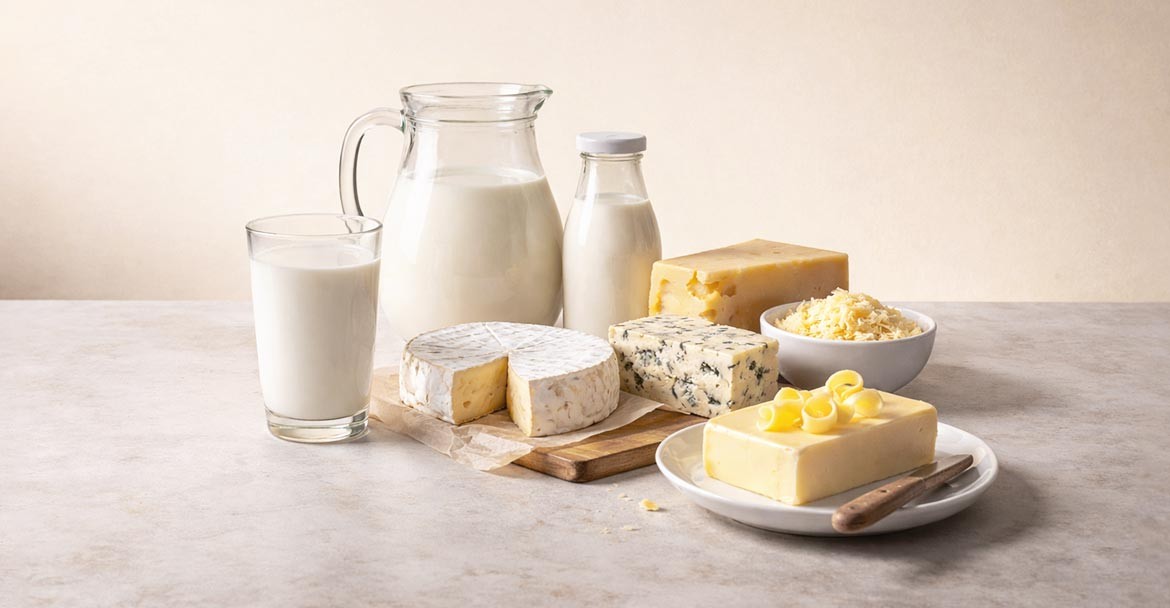
The demand for high-quality dairy foods and plant-based alternatives has grown significantly in recent years. Consumers expect products like creamers, whipped toppings, beverages, and plant-based drinks to deliver a smooth texture, stable structure, and consistent quality. Achieving this balance can be challenging because many formulations contain ingredients that naturally separate during processing or storage.
One ingredient that helps address this challenge is Sodium Stearoyl Lactylate. This functional emulsifier supports better ingredient interaction and helps maintain the desired texture and stability across a wide range of dairy and plant-based formulations.
Why Texture and Stability Matter in Modern Dairy Formulations
Products made with fats, proteins, and water must maintain a uniform mixture to deliver the right appearance and mouthfeel. In dairy processing, these components behave differently, making it difficult to keep them evenly blended during production and storage.
- Without proper formulation support, products may experience:
- Visible separation of ingredients
- Uneven consistency
- Changes in appearance over time
For manufacturers, maintaining a stable structure is essential to ensure consistent performance and consumer satisfaction in dairy foods. This is where emulsifiers become valuable in improving formulation stability.
The Role of Sodium Stearoyl Lactylate
Sodium Stearoyl Lactylate is widely used in food applications because of its ability to help different ingredients work together effectively. In dairy systems, it improves the interaction between fats and water-based components, allowing them to remain evenly distributed throughout the mixture.
By supporting this interaction, Sodium Stearoyl Lactylate helps deliver:
- Improved structural stability
- Smoother product consistency
- More reliable processing performance
These advantages allow manufacturers to maintain the desired characteristics in dairy and plant-based products throughout production and storage.
Improving Texture in Dairy and Plant-Based Products
Texture is one of the most noticeable qualities in beverages, creams, and dessert preparations. Consumers expect dairy and plant-based alternatives to feel smooth and pleasant when consumed.
When included in formulations, Sodium Stearoyl Lactylate helps create a more uniform internal structure. This allows ingredients to blend more effectively and contributes to a balanced texture in dairy foods as well as plant-based versions.
As a result, manufacturers can achieve:
- Creamier mouthfeel in beverages and creamers
- Better body in whipped toppings and desserts
- Smoother consistency in plant-based alternatives
These improvements help create products that deliver a consistent and enjoyable sensory experience.
Supporting Stability During Processing and Storage
Production processes such as mixing, heating, homogenization, and cooling can influence the stability of emulsified systems. During these stages, ingredients may begin to separate or lose their uniform structure.
Sodium Stearoyl Lactylate helps maintain ingredient distribution during processing, allowing dairy formulations to remain stable even under changing conditions. This support is particularly useful in large-scale manufacturing where maintaining batch-to-batch consistency is critical.
In addition, the emulsifier helps products retain their structure during storage, preventing unwanted separation and maintaining a uniform appearance over time.
Applications in Dairy and Modern Food Products
Today’s market includes traditional dairy foods along with a rapidly expanding category of plant-based alternatives. Manufacturers need ingredients that can perform consistently across both segments.
Sodium Stearoyl Lactylate is commonly used in:
- Beverage creamers and drink formulations
- Whipped toppings and dessert preparations
- Spreads and fillings
- Plant-based milk alternatives
Its ability to support texture and stability makes it a valuable ingredient for producers aiming to maintain consistent quality in dairy as well as plant-based product lines.
Conclusion
Developing products with the right balance of texture, stability, and visual appeal requires carefully selected functional ingredients. Sodium Stearoyl Lactylate plays an important role in helping manufacturers achieve these goals in modern dairy processing.
By improving ingredient interaction, enhancing texture, and supporting stability during processing and storage, this emulsifier allows producers to create formulations that remain smooth and consistent throughout their shelf life. As the market for dairy and plant-derived alternatives continues to expand, Sodium Stearoyl Lactylate will remain an important solution for maintaining product performance and quality.